Stress Management
Understanding Procrastination.
Stress is an automatic physical, mental, and emotional reaction to a challenging situation. It’s a natural part of life. While it can motivate growth, action, and change, prolonged or poorly managed stress can negatively impact your wellbeing and reduce the quality of life.
Stress management involves using tools and techniques to reduce stress and its negative effects on mental and physical health. Regular use of mental, emotional, and behavioral strategies can support overall wellbeing and promote a more balanced, healthy life.
Impact of stress
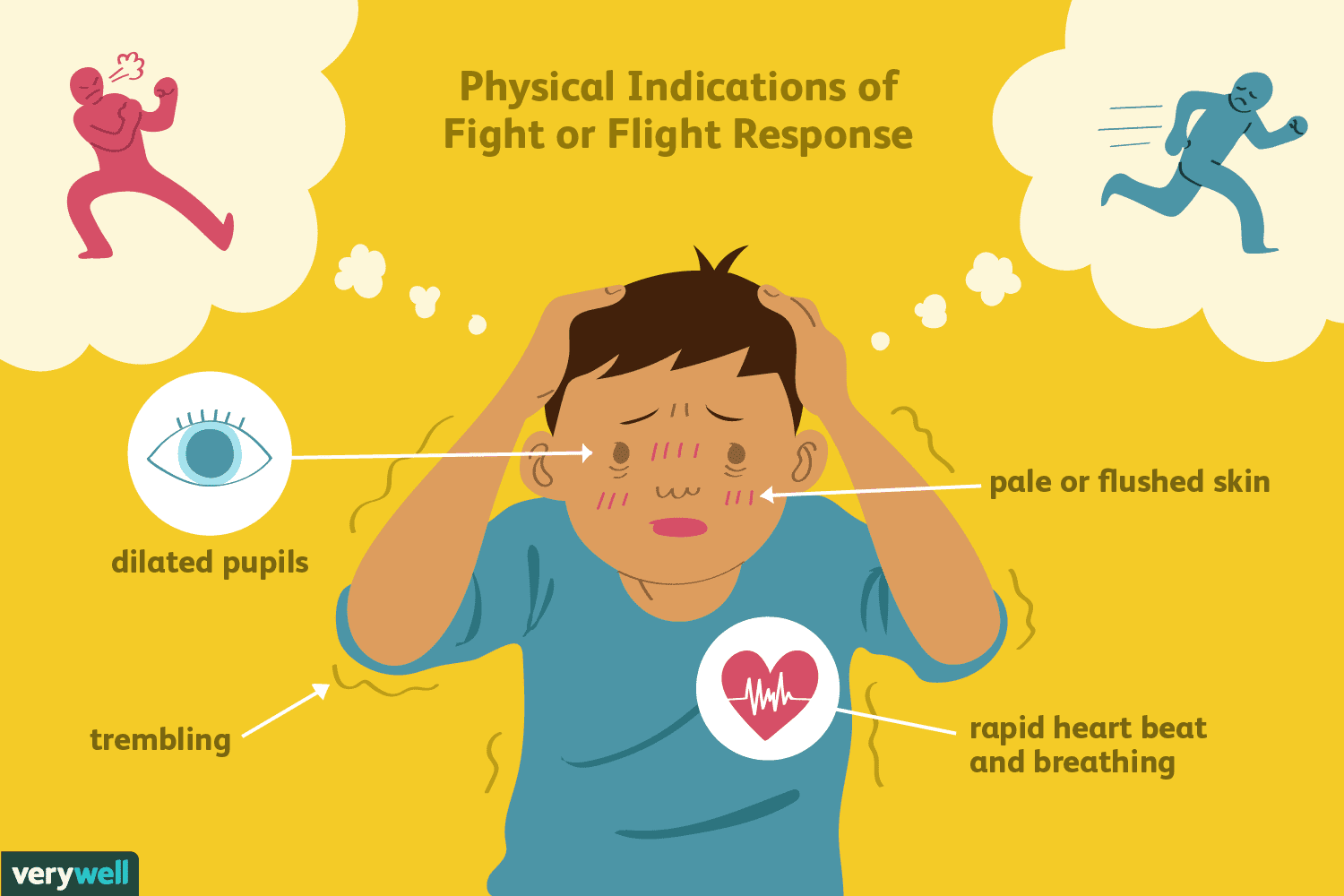
Chronic stress takes a toll on the mind and body.
When you’re under stress, your body may activate “fight or flight” This reaction is triggered by the release of stress hormones, primarily adrenaline and cortisol, which prepare your body to either confront a threat (fight) or escape it (flight).
While this response can be beneficial in short bursts, staying in a constant state of stress can lead to headaches, muscle tension, fatigue, digestive problems, and a weakened immune system. Over time, chronic stress also increases the risk of anxiety, depression, heart disease, and sleep disturbances.
Find your optimal stress zone
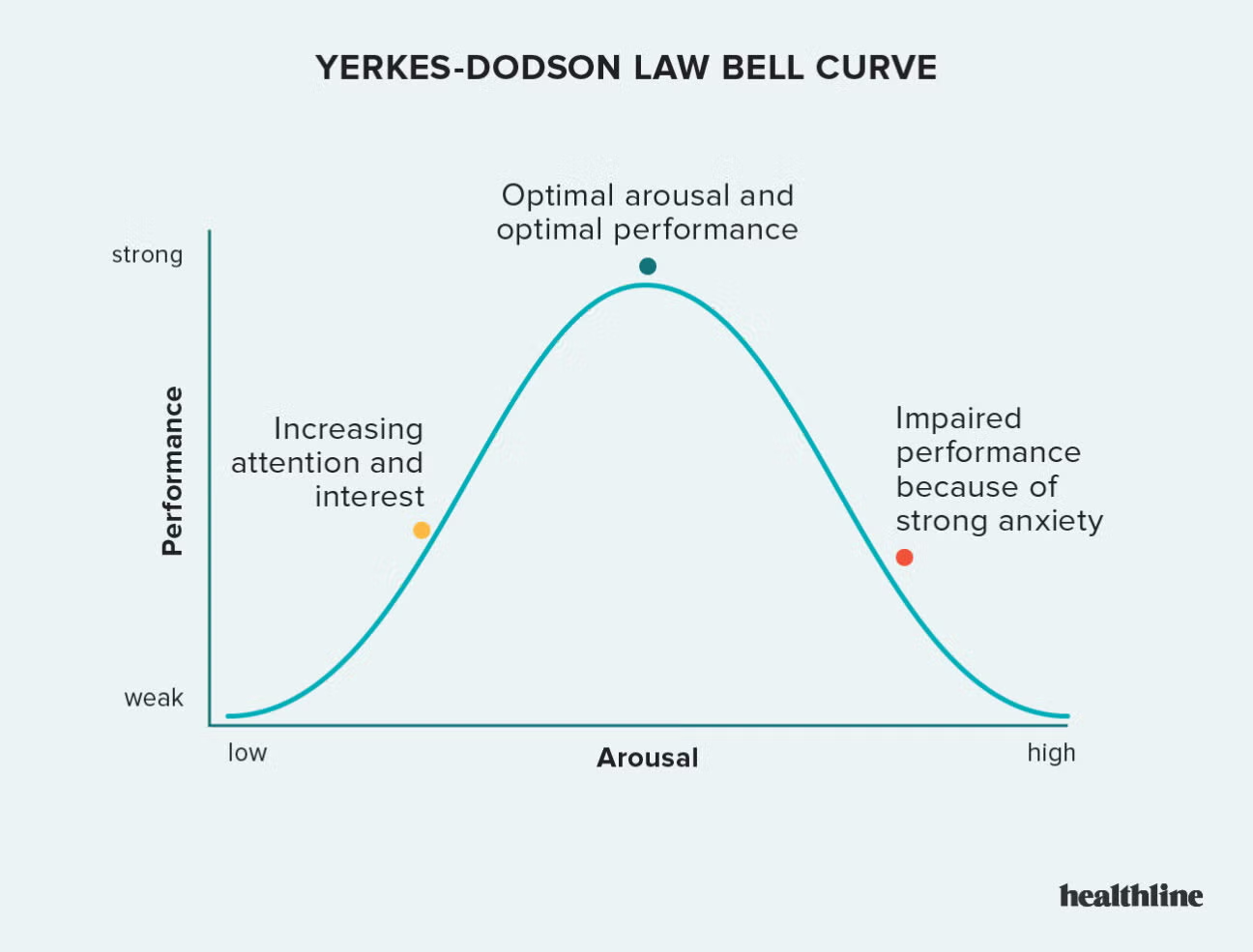
Understanding your stress-performance balance helps you identify your stress levels, apply strategies to return to an optimal state, and enhance your success. The Yerkes-Dodson Law is a psychological theory that describe the relationship between stress and performance.
- Too much stress can become overwhelming and hurt performance.
- Too little stress can lead to low motivation or boredom.
- Moderate stress can improve focus, energy, and performance.
Strategies to manage Stress
Practicing mindfulness helps calm the mind and reduce anxiety. Studies show even 10 minutes a day can lower stress hormone levels. Try guided meditation with Rec Well:
Effective planning lowers stress by reducing last-minute pressure. The Pomodoro Technique, which consists of 25 minutes of focused work followed by a 5 minute break, has proven effective among college students.
Physical Activity
Regular physical activity boosts mood and decreases stress. Just 30 minutes of walking can make a difference. Move your body at Rec Well by signing up for a group fitness class, participating in intramural sports, climbing Mt. Mendota, or even working out at your own pace.
Sleep and Diet
Poor sleep habits and diet can increase stress. Aim for 7-9 hours of sleep and regular, balanced meals.
- Build your meal
- Learn how to track your sleep cycles
Art, journaling, music, and other forms of creative expression can reduce stress and boost mood. Brief sessions of expressive writing have also been shown to improve emotional processing. Enroll in a creative arts group, attend a Wheelhouse Studios class, or spend 10 minutes journaling about what’s on your mind or making a list of 3 things you’re currently thankful for. No rules, just flow.
Maintaining strong connections with friends, family, or peers act as a buffer against stress. Just a short conversation with someone you trust can lower cortisol levels. Don’t forget to also maintain a connection with yourself. Research shows that treating yourself with the same kindness you’d offer a friend can significantly reduce stress. Try to notice when you are being self-critical and gently reframe with a more supportive thought. Learn more about practicing self-compassion by enrolling in a group.
Constant notifications and screen time can heighten stress. Take breaks from social media, set limits on phone usage, and disable notifications if you find yourself getting overwhelmed. Try setting a “phone curfew” at least 30 minutes before bed to improve sleep and reduce overstimulation. Learn how to reclaim your time and focus.
If you feel like you need an outside perspective, go to Let’s Talk! Let’s Talk consultations are available daily during the week for students to meet with a UHS mental health provider for 20-25 minutes. Consultations are offered at various on-campus locations and virtually. View the current schedule.