
Prevention and Campus Health Initiatives
Prevention and Campus Health Initiatives
UHS Prevention and Campus Health Initiatives provides a data-informed, population-level prevention and health promotion strategy. Prevention efforts at UW–Madison focus on building the capacity of the campus community to create a culture of health and wellbeing by influencing campus systems, structures, policies, and environments.
Our focus areas

Alcohol, Tobacco, and Other Drug Prevention
Reducing alcohol- and drug-related harm to our campus community
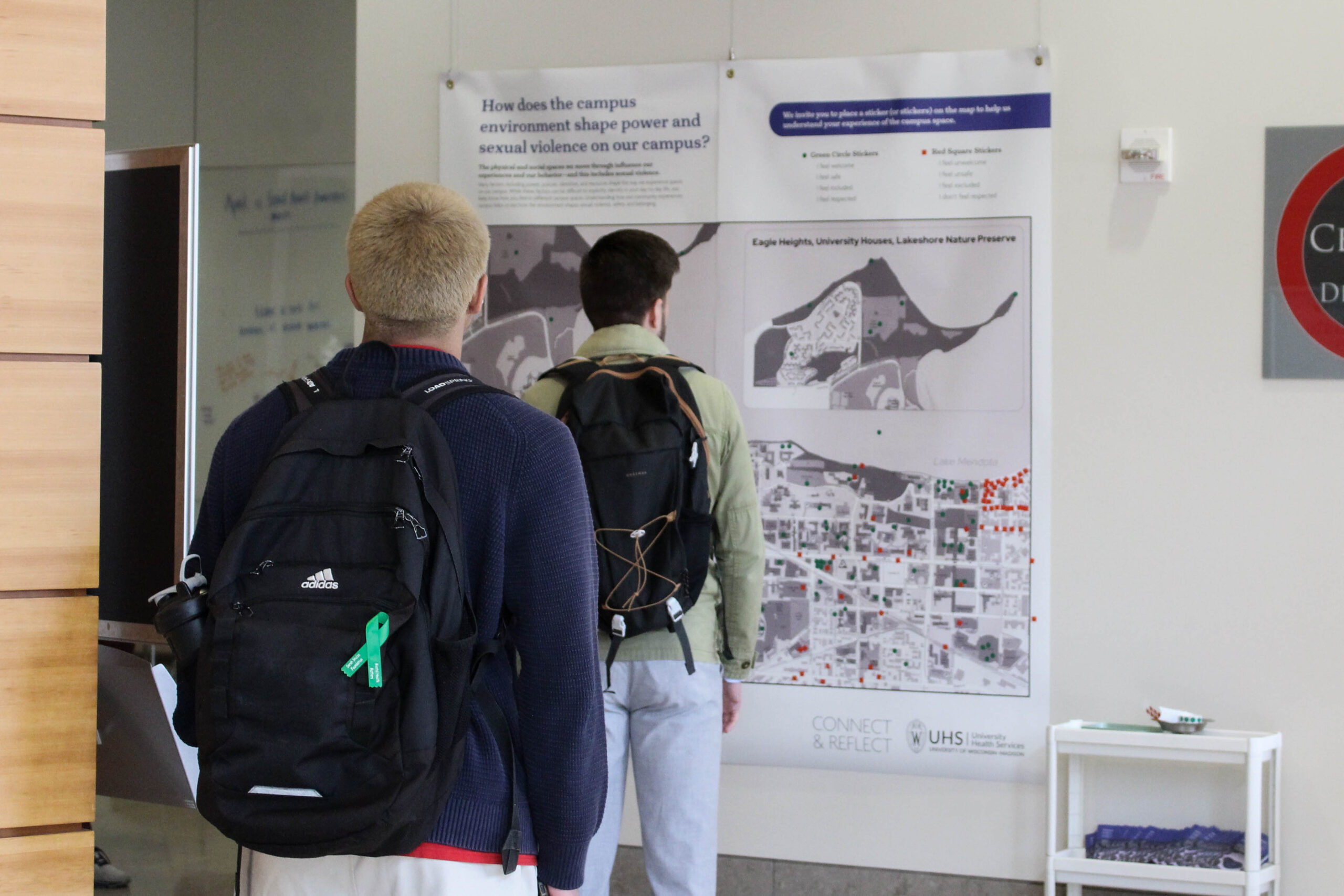
Sexual Relationship and Violence Prevention
Shifting the culture around sexual and relationship violence
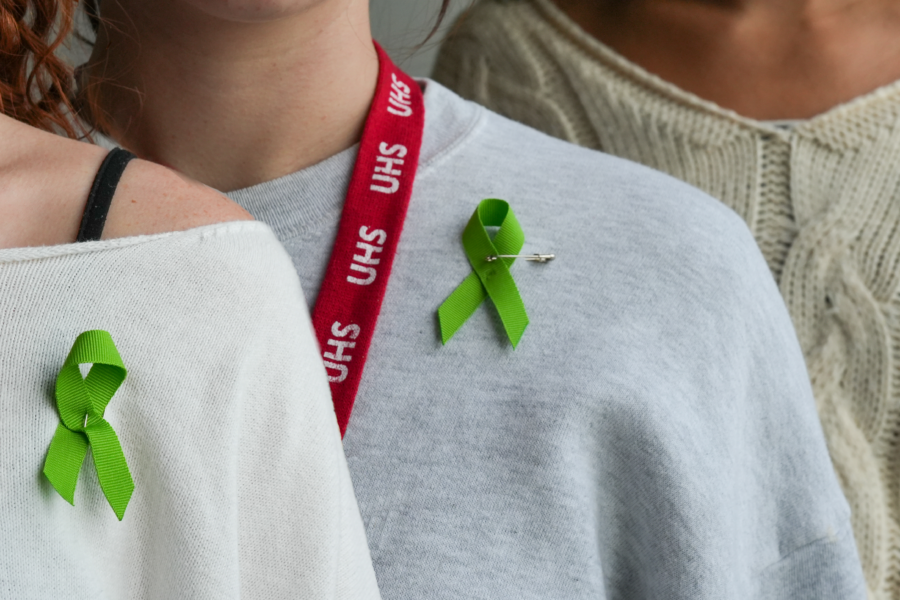
Suicide Prevention and Mental Health Promotion
Building capacity to support student mental health
Presentations and support
Live trainings
UHS Prevention provides in-person and virtual trainings and presentations for students, faculty, and staff to support a safe and healthy UW-Madison campus, including topics related to:
- Suicide prevention
- Sexual and relationship violence prevention
- Alcohol and drugs
- Bystander intervention
Please note: Our online trainings may serve as a prerequisite for customized, more advanced prevention trainings.
If you are having difficulty with the request form above, please contact Mairin Hesselbein (mairin.hesselbein@wisc.edu).
Online trainings
UHS Prevention administers several online trainings for students, faculty, and staff, including:
Recognize, Respond, Refer Online Suicide Prevention Training for undergraduate students, graduate students, faculty, and staff.
Required programs for incoming students, including undergraduate violence prevention education through U Got This! and GetWIse, graduate violence prevention education, and undergraduate alcohol education.
Looking for additional support?
Our team is available for consultation and can discuss your goals to understand the best form of support we can offer. Send us an email.
Data-informed health strategy

We regularly collect population-level student health data to identify trends, needs, and opportunities, and we use this data to inform our strategies and work.
Population-Level Student Health Data
Our team
UHS Prevention professionals work to address important campus health issues such as sexual and relationship violence, alcohol and other drug misuse, and suicide.