Test Anxiety
Understanding Test Anxiety
Test anxiety is a common type of performance anxiety among students, characterized by excessive worry, tension, and physical symptoms that can impair academic performance. While some nervousness is normal, heightened anxiety can interfere with concentration, memory, and test-taking abilities.
Test anxiety can manifest in a variety of ways, and no two students are impacted the same way. These symptoms can stem from various factors, including fear of failure, lack of preparation, or high-pressure environments.
- Rapid heartbeat
- Sweating or feeling cold
- Nausea
- Shallow or rapid breathing
- Panic or increased fear
- Feeling helpless
- Feeling overwhelmed
- Low confidence or self-doubt
- Increased negative talk
- Mind-going blank
- Making mistakes easily
- Getting easily distracted
Cognitive behavioral techniques
Practice Positive Self-Talk
Use positive affirmations to help motivate yourself and keep calm during an exam. With regular practice, they can help shift your inner dialogue.
Reframe Your Thoughts
Identifying and challenging negative thoughts can reduce anxiety. Replacing “I’m going to fail” with “I’ve prepared and will do my best” can shift your mindset.
Relaxation methods
Deep Breathing
Deep breathing an effective technique that helps calm your mind and body by slowing your breath and increasing oxygen flow. This practice can reduce stress, ease anxiety, and promote a sense of relaxation in just a few minutes.


Progressive Muscle Relaxation
Progressive Muscle Relaxation involves tensing and then slowly releasing different muscle groups in your body. This practice can help reduce physical tension, lower stress levels, and increase body awareness.
Mindfulness
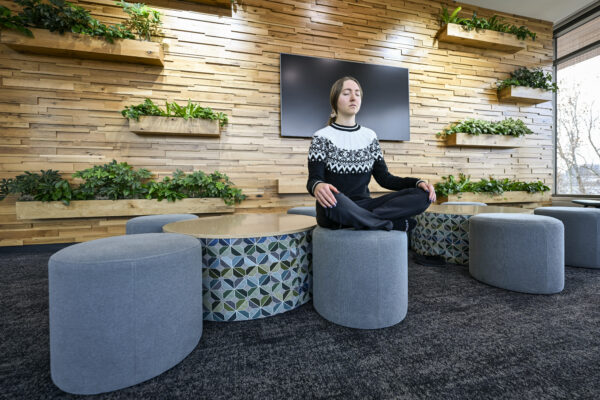
Mindfulness is the practice of paying attention to the present moment with openness and without judgment. It can help you feel more grounded, reduce anxiety, and improve focus by gently bringing your awareness back to the current moment.

Grounding Techniques
Grounding techniques are strategies that help you reconnect with the present moment, especially during times of stress or overwhelm. These tools often use your senses or surroundings to bring calm and focus back to your body and mind.
Quick tips
Before your exam
Preparation: Try to begin studying well in advance. Break up the material into manageable sections and use active recall techniques.
Maintain a balanced lifestyle: Ensure adequate sleep, nutrition, and physical activity the days leading up to your exam.
Create a to-do list: Consider structuring your list into 3 columns: have to do, could do, and self-care.
- Self-care: items that serve as breaks or can encourage you to keep going
- Have to do: 5-7 items that have deadline, are a priority, or things you’d like to complete
- Could do: items that you might complete today if you have capacity
During your exam
Arrive early: Aim to arrive 10-15 minutes prior to allow yourself to settle into the space and practice deep breathing.
Review the test: Look over the entire test so you are aware of the structure and flow. Read instructions carefully and focus on one question at a time.
Allocate time wisely: Don’t be afraid to go out of order. Answer the questions you are most confident in first and go back to questions that require more time. Always check that you have completed every question prior to handing it in.
Breathe: Practice breathing techniques as you move through the exam. Avoid tensing up and holding your breath.
Practice positive self-talk: Encourage yourself with affirmations like “I have studied and I am ready”
Last-minute studying
While studying ahead is ideal, it’s not always realistic. If you need to cram, here’s how to make it count:
Cramming is most effective in short, focused bursts rather than all-night study sessions. Prioritize the most important material by focusing on key topics that have been emphasized in class or on study guides. Use active study strategies that engage your brain, such as quizzing yourself, explaining the content out loud, and completing practice questions. Lastly, take care of your body and be kind to yourself by getting some sleep, eating nutritious foods, and avoiding negative self-talk.
Self-care after your exam
Exams can take a lot out of you—mentally, emotionally, and physically. Whether it went well or felt challenging, it’s important to take time to care for yourself afterward.

Recharge and reflect with kindness
Pause and breathe: Take a few quiet moments to let your body and mind settle.
Notice your thoughts without judgement: After an exam, it’s common to replay what happened.
- Acknowledging your thoughts: “That was hard. I’m not sure how I did, and that’s okay.”
- Redirect your focus: “I did what I could in that moment. Now I’ll take care of myself.”
Recharge: You’ve earned a break. Give yourself permission to do something that brings you comfort and joy.