Procrastination
Understanding Procrastination.
Procrastination is a common struggle faced by college students, often leading to increased stress and decreased productivity. It frequently results in a buildup of responsibilities that become overwhelming, especially during demanding periods such as exam week. This last-minute rush can negatively impact your academic performance, sleep quality, and overall mental wellbeing.
Why we procrastinate
Procrastination often arises from avoidance behaviors, which are commonly driven by fear of failure, perfectionism, or a lack of motivation. While putting things off may offer temporary relief or a sense of reward, it often results in increased stress and guilt over time. These behaviors can be influenced by both internal and external factors.
Internal Factors
- Self-doubt
- Boredom
- Anxiety
- Perfectionism
- Fear of failure
External Factors
- Distractions
- Unclear deadlines or direction
- Poorly defined goals
- Time management concerns
- Social media doomscrolling
Strategies to help procrastination
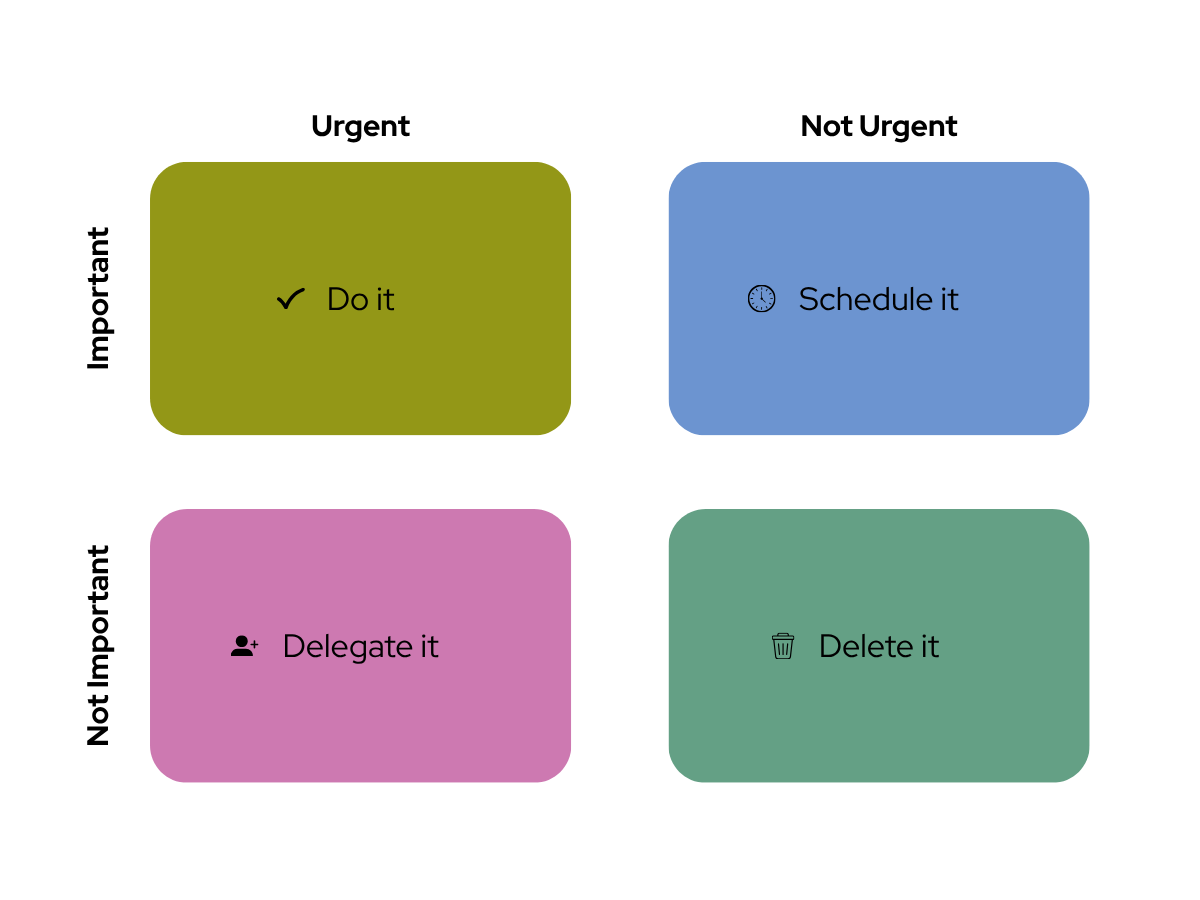
Prioritize Your Tasks
Use the Eisenhower Matrix to visually manage your time and prioritize tasks based on their urgency and importance.
Time Block with the Pomodoro Method
Consider using the Pomodoro Method to maximize productivity. Set a timer for 25 minutes and focus on one task. Reward yourself with a 5 minute break.

Break Down Your Tasks
Divide tasks into smaller tasks, manageable steps to help manage feelings of anxiety. Use a Complier, Magic To-Do, and Estimator Goblin Tools to help break your tasks down and estimate how much time you should spend on each item,
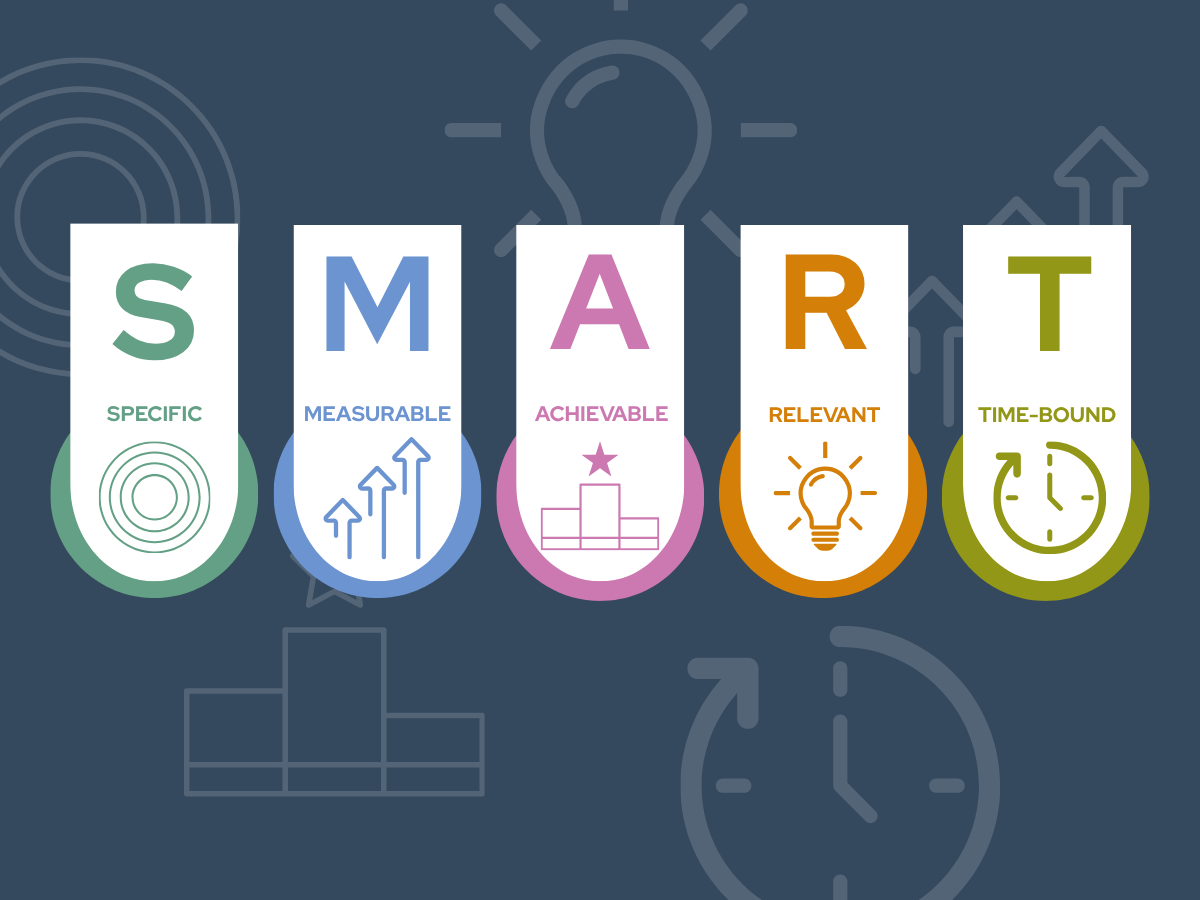
Create SMART Goals
SMART goals ensure your objectives are specific, measurable, achievable, relevant, and time-bound. This framework helps create clear, attainable goals that are more likely to be achieved, providing motivation and focus.
Enhance your study skills
Developing effective study habits and time management can boost confidence and reduce last-minute stress.
Pause and reflect
Procrastination is manageable when you understand it’s roots and yourself. Take a moment to reflect on the following questions to gain a better understanding of yourself.