Medical Care After an Unwanted Sexual Encounter
UHS medical staff can complete sexual assault forensic exams (SAFE) to assess the risks of pregnancy, STIs, and physical injuries after an unwanted sexual encounter. UHS provides a safe, confidential, and nonjudgmental space where students of all genders can explore their options regardless if alcohol was involved.
On this page
Get connected
If you have been sexually assaulted, or are not sure, there are several ways to get medical support.
During business hours
- Drop-in to the 7th floor Survivor Services Suite Monday-Friday, 9 a.m.-5 pm. Upon arrival, call the UHS RN Sexual Assault line at 608-852-9533 and a nurse will meet you.
- Speak to a nurse about options following an unwanted sexual encounter by calling 608-852-9533 during clinic hours (Monday through Friday, 9 a.m.–5 p.m.). You may remain anonymous.
Anytime
- If you prefer off-campus support, call or text the RCC 24-hour help line at 608-251-7273 or visit Meriter Hospital
- Make an appointment online via MyUHS or by call 608-265-5600 (option 1).
- For mental health support, call the UHS Crisis Line at 608-265-5600 (option 9).
What to expect at a SAFE exam
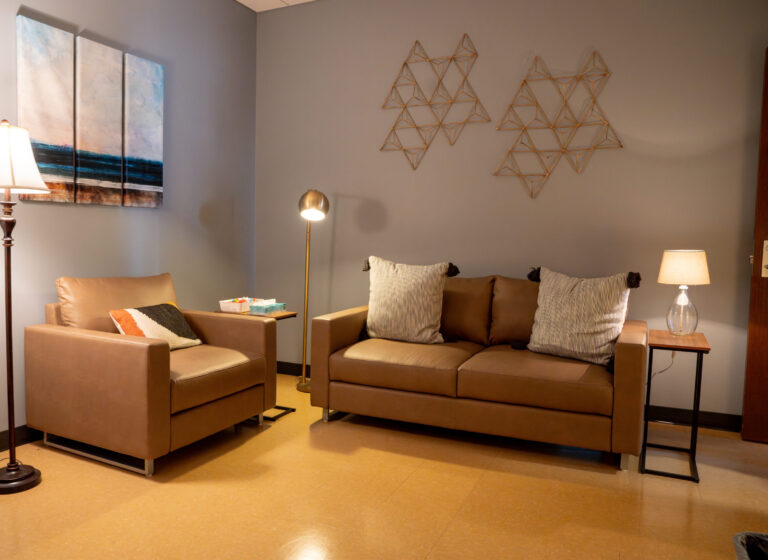
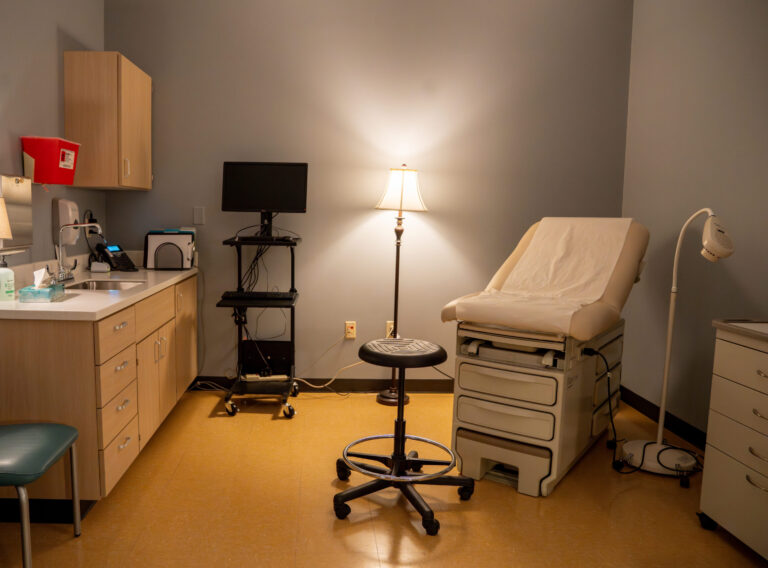
What to expect:
- A space to be heard and believed.
- A chance to talk about what happened in whatever way you are ready to share.
- Connection to advocacy, mental health resources, and community resources with RCC.
If applicable and with your consent:
- A physical exam and/or photography for evidence collection.
- Information and medication for emergency contraception.
- Antibiotics to prevent potential infection.
- Testing for substances commonly used in drug-facilitated sexual assault.
- Medical care to address any health concerns.
- A physical exam and/or photography for evidence collection.
Evidence collection and reporting
If you are interested in evidence collection (sometimes referred to as a “rape kit”), please try to refrain from the activities listed below. We understand that these recommendations may be difficult to follow and you should do what you feel is best to take care of yourself.
If you have already done any of the below, you are still eligible for evaluation, treatment, and evidence collection if desired.
| Refrain from: | Bring: |
|---|---|
| Refrain from urinating if possible. If there is concern about a drug-facilitated sexual assault, the first available urine will be collected at the clinic or emergency room. | Bring clothes worn at the time of assault and immediately after assault, especially undergarments. If you aren’t wearing them, bring them in a paper bag. |
| Refrain from eating, drinking, or smoking. | Bring a change of clothing. |
| Refrain from showering, bathing, and brushing your teeth. | Bring a support person. |
A table depicting what a survivor should refrain from doing prior to evidence collection and what to bring to their appointment.
Reporting the assault to law enforcement and collecting evidence is your choice.
We’ll support you as you consider your options. If you decide you do not want to report or collect evidence, you are still eligible for an exam and treatment. You also can wait to decide about reporting for up to 20 years, but you will need to make a decision to collect evidence at the time of the exam.
Confidentiality
Confidential means that—as allowable by law—the information survivors share with our victim advocates will not be disclosed to anyone—including law enforcement, campus authorities or parents—without the explicit written permission of the student victim/survivor.